Fast delivery from local depots
New and used containers available
Advice from container specialists
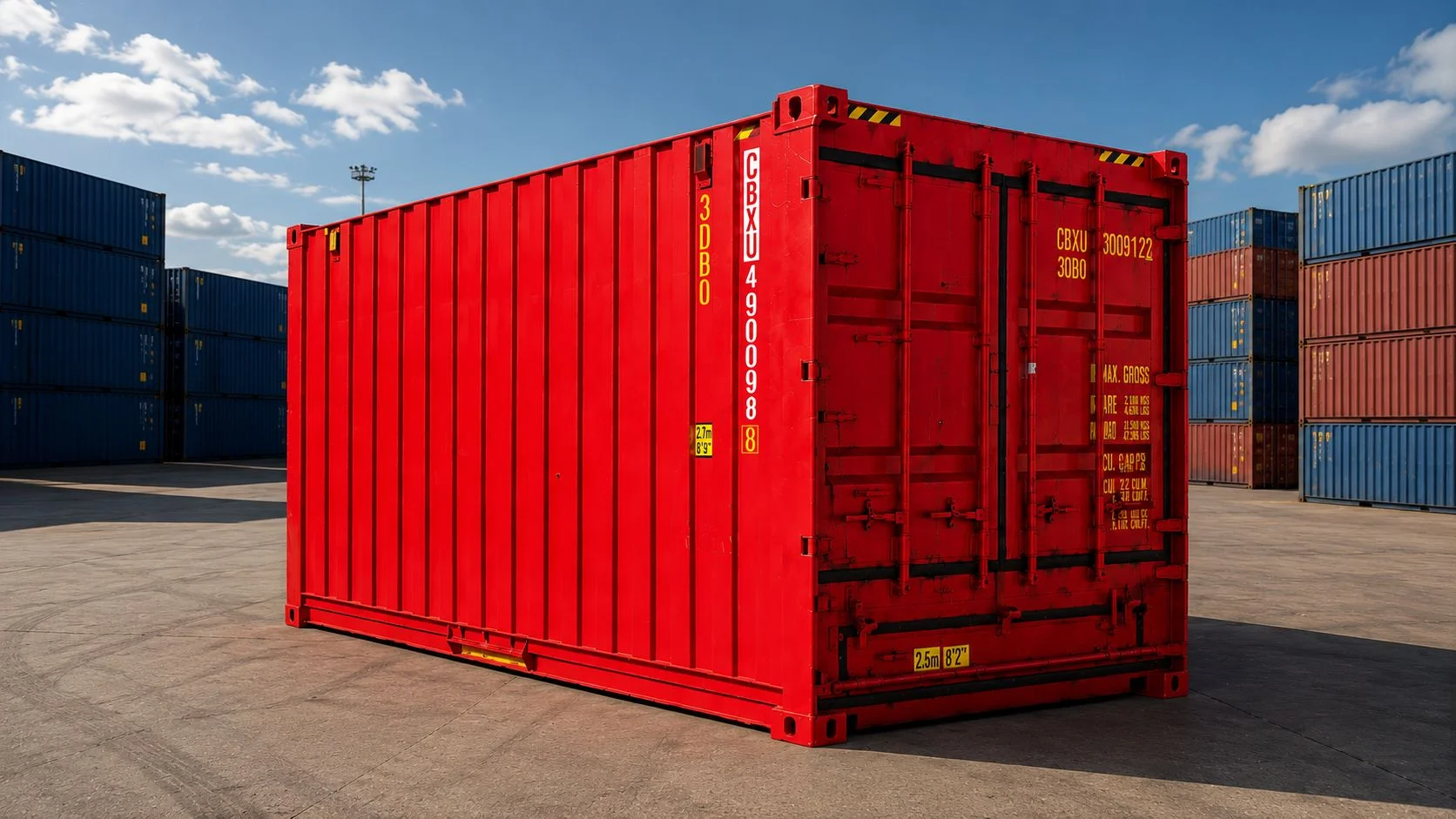
Our Bulk Container Solutions
No products match the selected filters.
Why Choose a Bulk Container?
Built for Bulk Materials and projects Use
Bulk containers provide robust, flexible capacity for loose dry materials, industrial storage and demanding projects environments. They can support temporary and recurring operations, with configurations selected for efficient loading, unloading and material handling for site access, weather exposure and project requirements.
Loose Dry Materials
Suitable for aggregates, granulates, pellets, grains, powders and other dry bulk goods when the selected unit and handling method fit the material.
Construction & Infrastructure
Reliable capacity for site materials, supplies, resources and project cargo, for planned access and quoted availability.
Industrial Storage
Practical containerized storage for components, materials, scrap and recurring bulk flows at yards, industrial sites and logistics locations.
Efficient Site Handling
Choose configurations that support loading, unloading, separation and transfer on site, based on material type, equipment access and project requirements.
Compare Related Container Options
Need top loading, oversized cargo access, waste handling or a broader container comparison? Explore related options before choosing the right bulk container setup for your project.
Reliable Bulk Storage for Sites and Yards
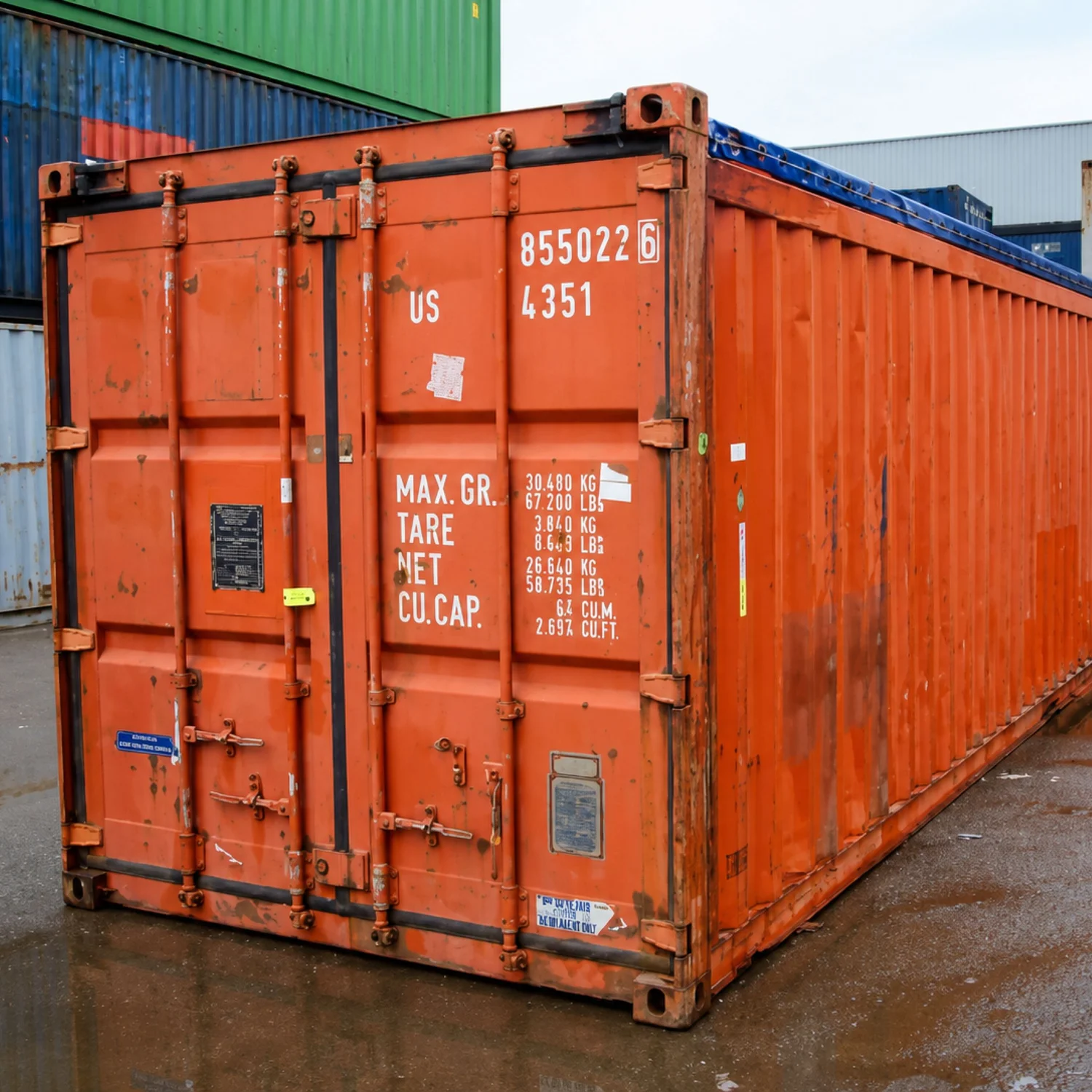
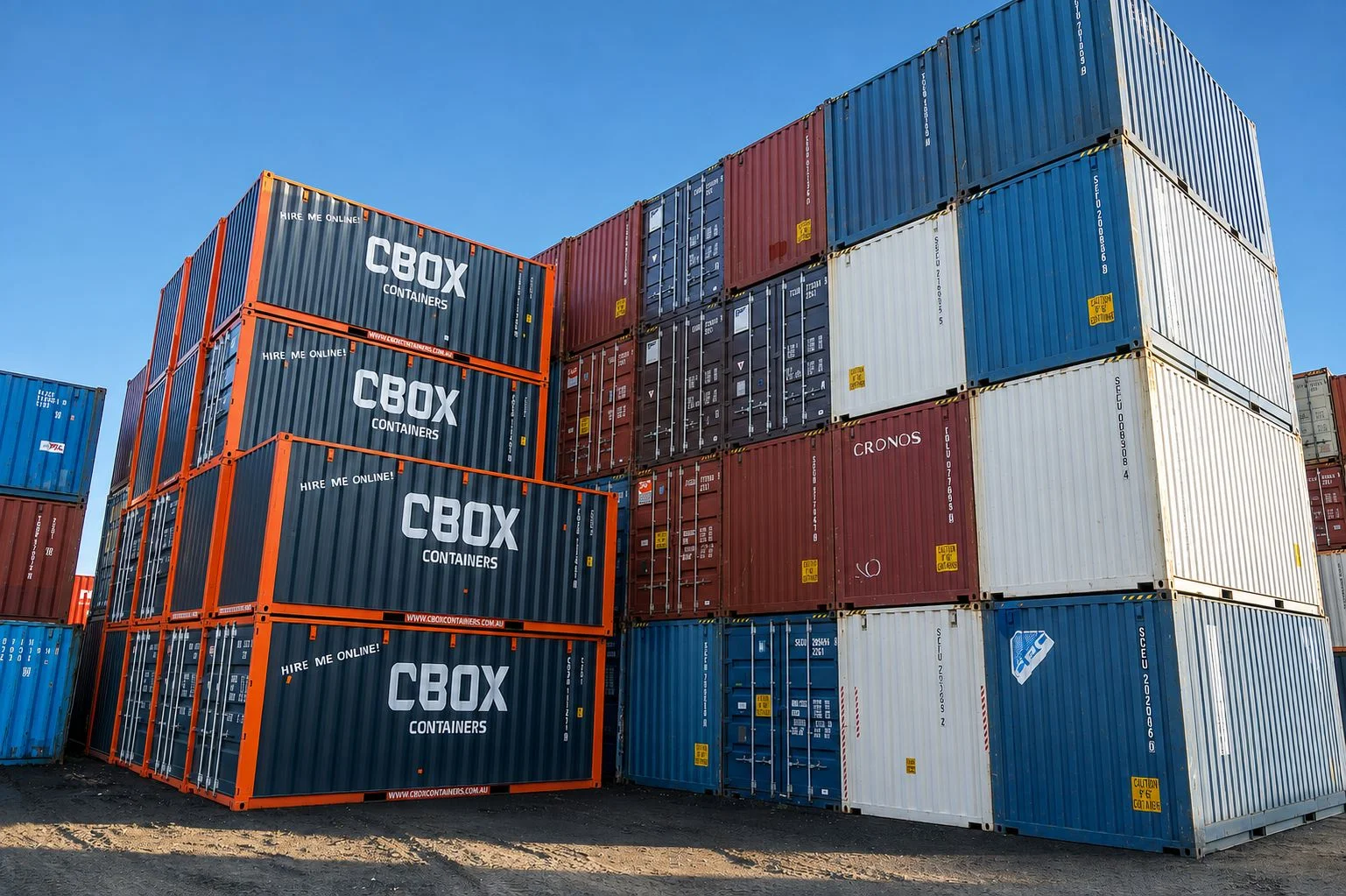
Bulk containers are built for handling, storing and transporting high volumes of dry bulk materials and loose goods. They can support industrial sites, construction projects, recycling operations, depots, ports, yards and logistics operations depending on material type and availability.
CBOX assesses material type, volume, loading and unloading requirements, site access and delivery planning to determine whether rental, leasing or purchase is the right fit.
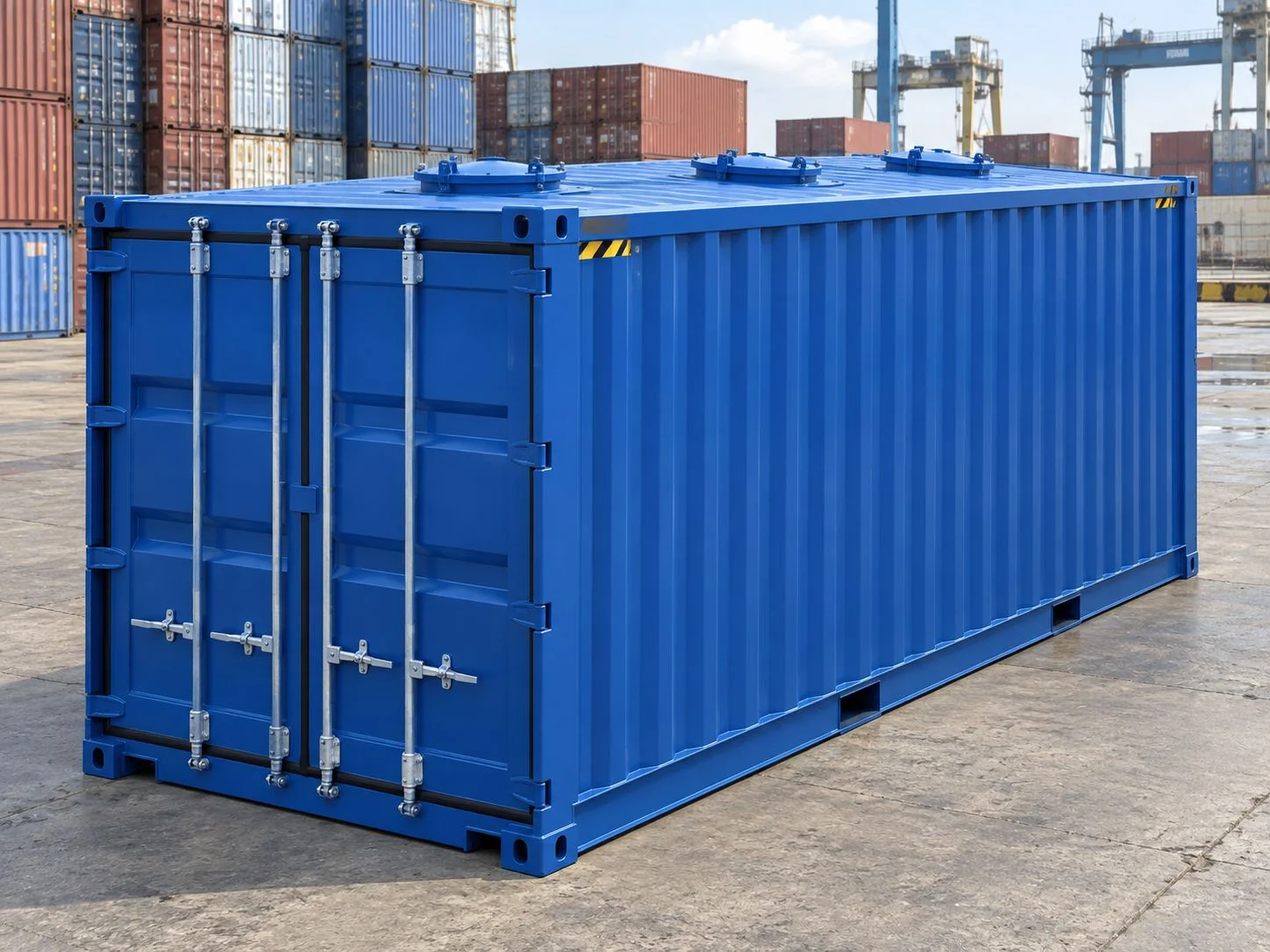
Bulk Containers for Efficient Material Handling
Bulk containers are designed for storing, moving and handling larger volumes of loose and dry materials where standard packaged storage is less efficient, including construction, logistics and industrial project environments.
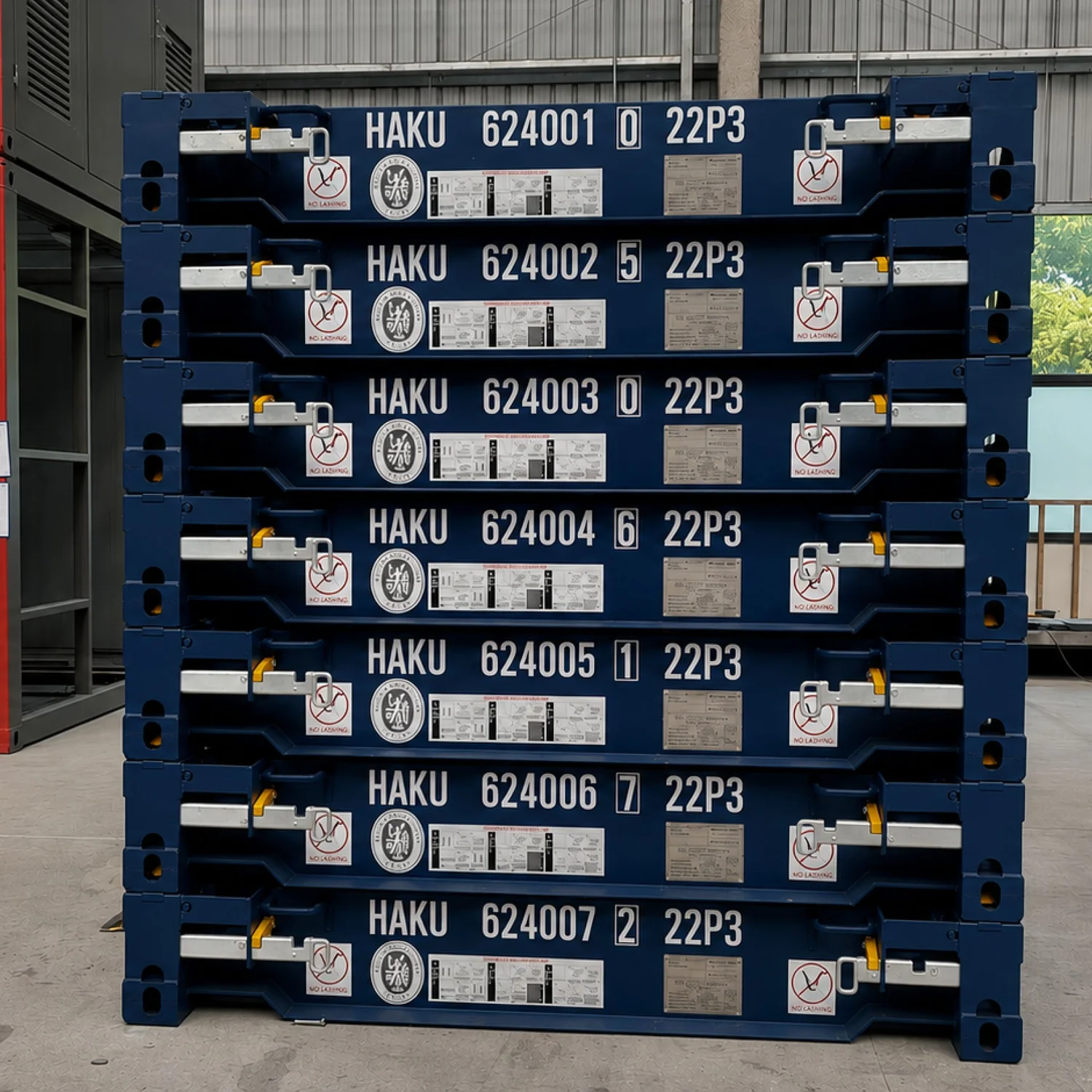
Configurations include wide access, top loading, discharge features, reinforced flooring and ventilation based on the selected unit and project brief. CBOX specifies a suitable bulk container based on material type, loading method, site access, transport requirements and expected weather exposure.
FAQ
Key variables include material type, volume, density, loading method, discharge process, moisture sensitivity, floor load, site access, delivery planning and rental or purchase needs.
Ready to move your container project forward?
Our team is ready to help you find the perfect container solution.
